
By Brent Surratt
Triangle contributing writer
In a small town like Wingate, where a bustling university anchors the community, transportation plays a critical role in daily life. Yet, for many students and residents, getting from point A to point B is no simple task. Without public transportation, reliance on personal vehicles or carpools is the norm, creating barriers for those without access to a car. For the town and Wingate University to thrive, addressing its transportation challenges is a necessity.
The town of Wingate and its growing population lacks public transportation options such as buses or shuttles. The town’s infrastructure largely assumes residents will rely on private vehicles, leaving those without cars to walk, bike or depend on others for rides. On campus, there are many international students who need to be able to travel further than the town limits for basic necessities. These students have to rely on other students that do have a mode of transportation to drive them wherever they need to go.
“I’ve had to ask my teammates and coaches for rides to Monroe many times to get the things that I need to live in my apartment.” said Jakob Rettschlag, a senior from Germany who’s on the Wingate cross country team. “It’s not just inconvenient, it’s a problem, especially since there aren’t many places to get the things that I need in the town of Wingate.”
The reliance on cars is not only inconvenient for some, but also costly for students juggling tuition and other expenses. For longtime residents, the lack of safe public transportation makes it hard to access grocery stores across the busy U.S. Highway 74 corridor or medical care in neighboring towns.
“There’s a lot of us who can’t drive anymore, and we end up depending on family or neighbors to take us around,” said Patricia Hill, a retired Wingate resident. “It makes us feel like a burden sometimes.”
The lack of transportation affects students and residents alike, creating ripple effects throughout the community. Students without a car find themselves restricted in their ability to access off-campus internships, part-time jobs and extracurricular activities. Faculty and staff commuting from nearby towns face higher costs and longer travel times due to limited options.
“Transportation isn’t just about getting from place to place—it’s about connecting people to opportunities,” said Jackie Kirby, a town resident who is head coach of the university’s track and field team. “Without options for transportation, we’re leaving students and residents behind.”
Environmental concerns also arise from the continued reliance on personal vehicles. Increased traffic and carbon emissions from single-occupancy car trips clash with sustainability efforts on campus and in the broader community.
Despite the challenges, Wingate University must recognize this burden on its students and look into implementing a campus shuttle system. The shuttle would connect key locations around the university and nearby shopping centers.
Some students have taken matters into their own hands, organizing informal carpooling networks through social media. While these efforts show community spirit, they’re far from a long-term solution.
The town and university are trying to make Wingate more pedestrian-friendly by partnering with Monroe-based developer True Homes on a 130-acre, mixed-used project near the U.S. 74 bypass that will extend from Irwin Belk Stadium to Northeast Residence Hall on Austin Chaney Road. “West Village” will include a 12-acre park, townhomes, restaurants and retail spaces that feature wide sidewalks and walking paths to make non-vehicular travel safer and more appealing. The first part of that project, the $4 million town/campus park, broke ground last semester.
So town and university officials are trying to make Wingate more accessible for pedestrians, but public transit and bike-friendly roads need to be addressed to make this place more accessible for everyone.
“Some people think that public transit is unnecessary in a town this size,” said Rettschlag. “But that doesn’t reflect the reality for students or residents who don’t have cars.”
Resistance from some residents could pose a challenge. Concerns about increased traffic, noise and changes to the town’s character often emerge when new infrastructure is proposed.
“People move to Wingate for its quiet, small-town feel,” Hill said. “Not everyone is thrilled about the idea of buses or busy streets.”
To overcome these problems, collaboration between the university, local government and community members is essential. Joint funding initiatives, perhaps through grants or public-private partnerships, could help finance a shuttle system or infrastructure improvements.
Biking and walking-friendly projects offer a lower-cost, environmentally sustainable alternative. Promoting these options through campus and community campaigns could help shift perceptions and encourage more people to leave their cars at home.
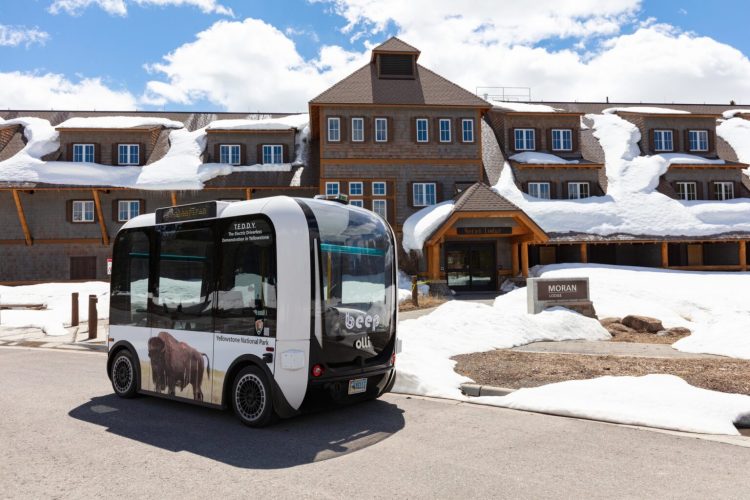
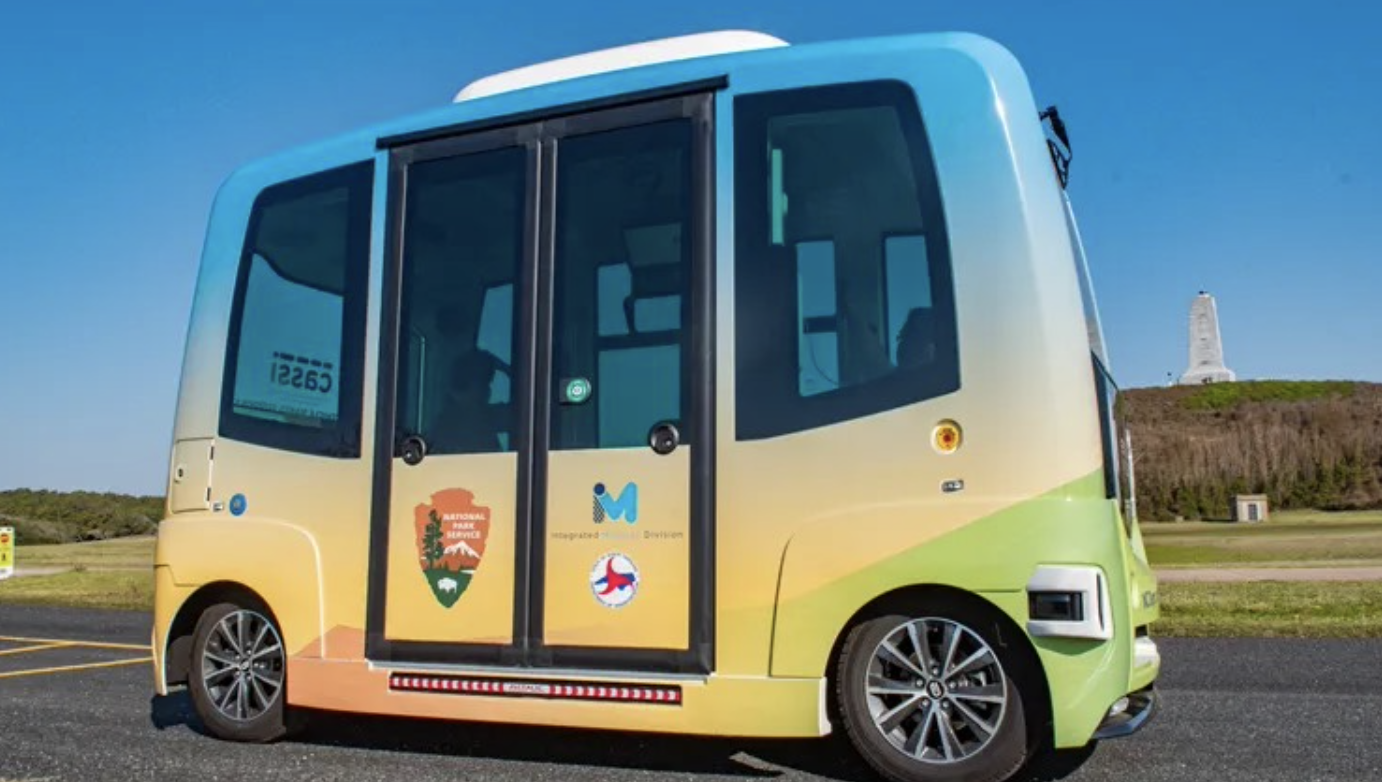
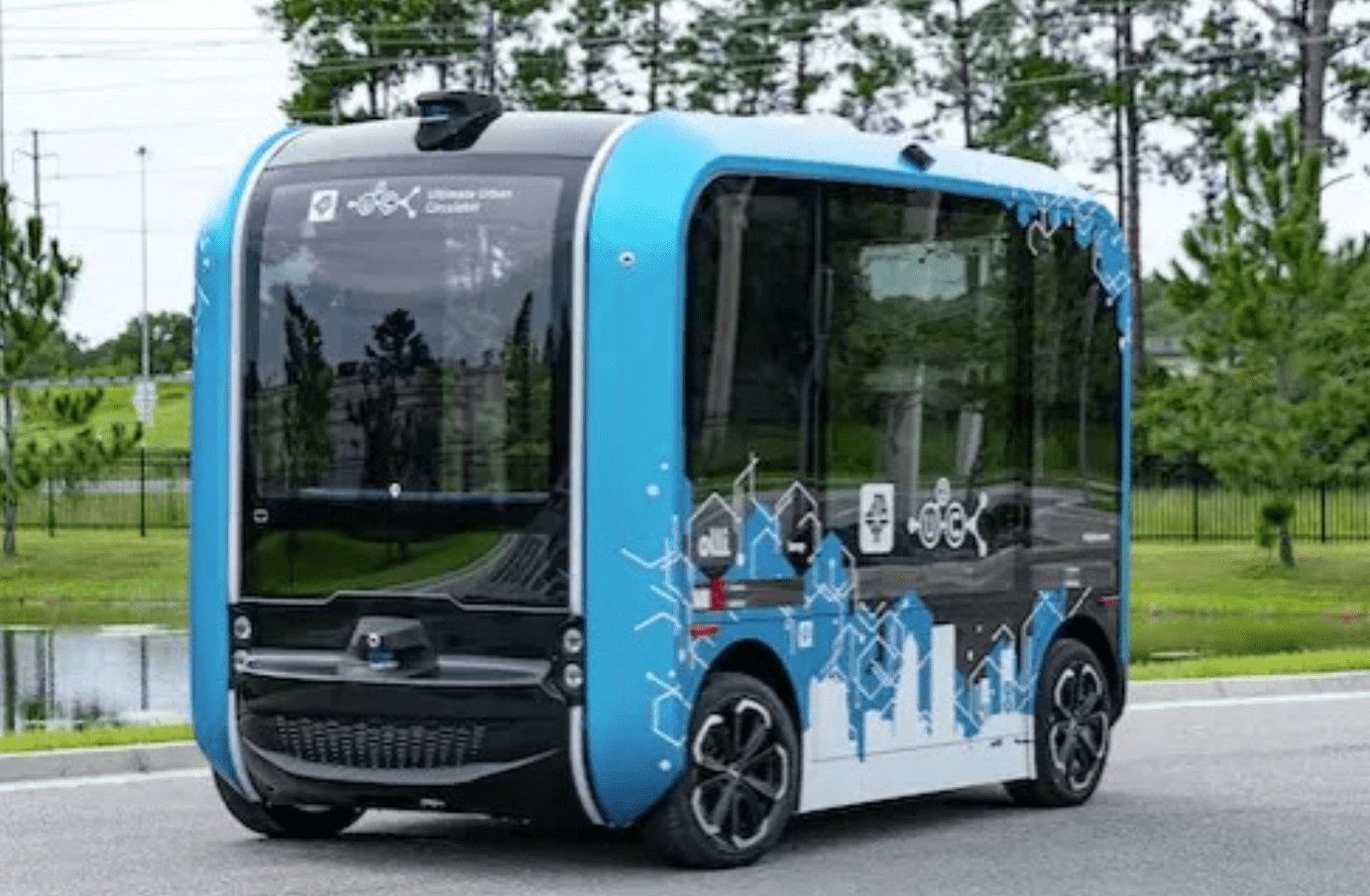
Success stories from other small towns facing similar hurdles provide inspiration. For instance, in neighboring Mecklenburg County, the town of Davidson and Davidson College are partnering with the Charlotte Area Transit System (CATS) and the N.C. Department of Transportation on establishing an electric, self-driving community shuttle system to run a one-mile route between downtown Davidson, the CATS express bus stop and the college’s campus. The automated shuttle will only reach speeds of 12 mph and use an array of sensors to drive and navigate around town. The system is called CASSI, which is short for Connected Autonomous Shuttle Supporting Innovation, and it has already been established by the BEEP Autonomous Mobility Services firm in other small-town campus settings around the country.
Elsewhere in North Carolina, the pilot program has already been tested successfully at the Wright Brothers National Memorial park in Kill Devil Hills, N.C., and N.C. State University. The Davidson trial is set to be funded through a mix of public and private support. Such a system would significantly improve mobility for Davidson’s 14,521 year-round residents and the 1,904 students at the college. Wingate’s population includes 4,342 residents and more than 3,500 university students.
Wingate’s transportation challenges may seem daunting, but they also present an opportunity for growth and innovation. By investing in solutions that make the town more accessible, Wingate can strengthen its sense of community while addressing the needs of its students and residents.
“We don’t need fancy buses or huge projects—just something that shows the town and university care about making life easier for everyone,” Hill said.
With the right combination of resources and determination, Wingate has the potential to pave the way—literally and figuratively—toward a more connected future.

