
By SIMON DUBRAVIK
Triangle contributing writer
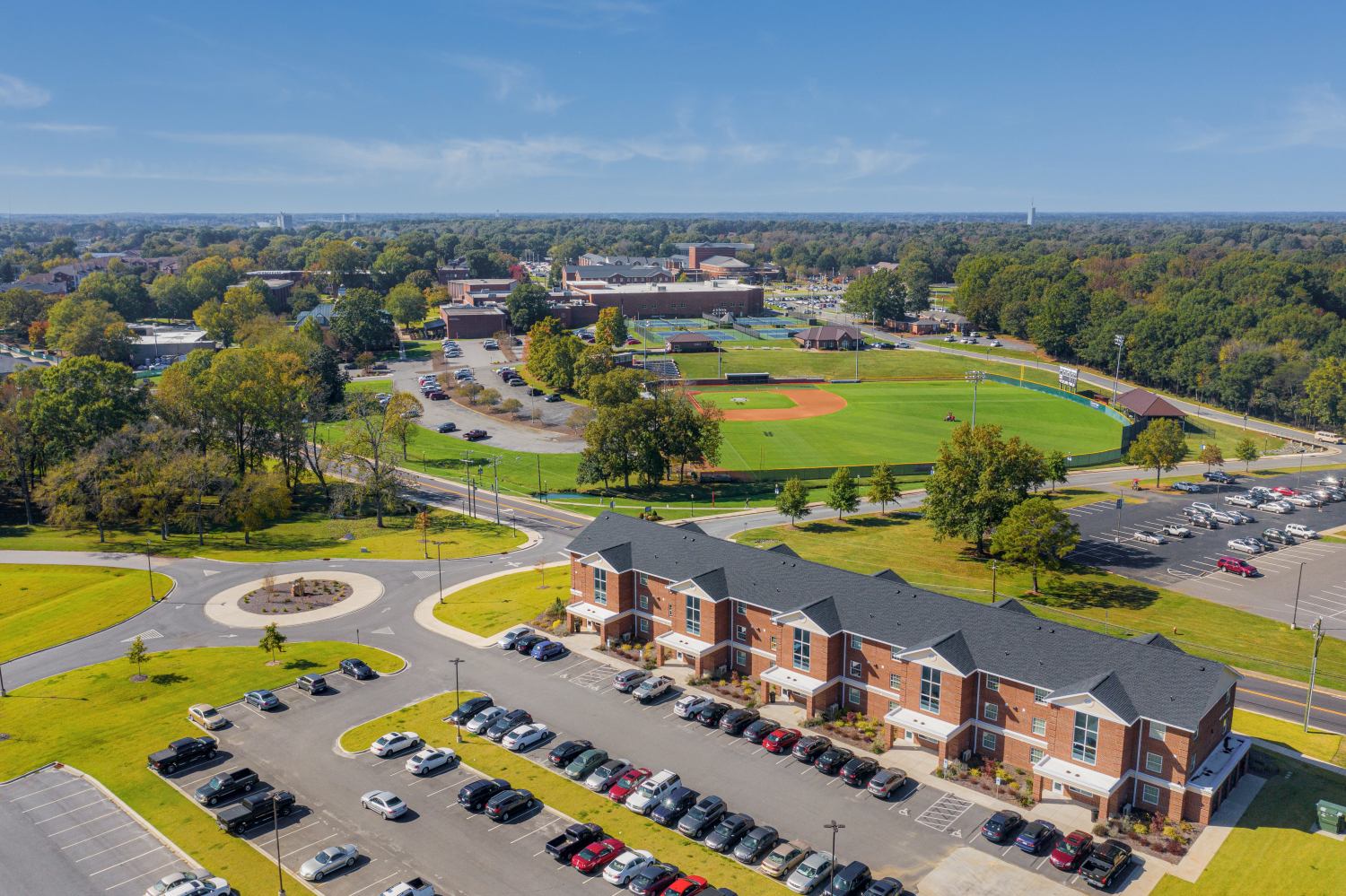
A growing number of Wingate students without cars are feeling stranded due to a lack of transportation options on campus, leaving them without access to essential services such as grocery stores or pharmacies. The university’s increasing number of international students are especially feeling this transit crunch.
This is a nationwide issue affecting colleges and their students all around the United States. A lack of transportation options can impact academic progress and retention, particularly for students who do not own a car. According to an article from The Hechinger Report, transportation obstacles—which include long travel times, transit deserts and rising travel costs—can be reasons for students not to attend classes, get off-campus jobs or not have access to basic necessities from grocery stores.
Wingate University is facing this issue as well. Because of its location in Union County without a public transportation system, the campus residents often rely only on owning a car to get around. Students who do not own a car are usually dependent on their friends with a car, expensive ride-shares or sometimes campus safety.
“Everything is so far from campus and without a car, it can feel like you are stranded in the middle of nowhere,” said Arda Unal, a sophomore student from Turkey.
Unal said he wanted to purchase a car, but he was not able to do so since he did not have a U.S. driver’s license. He decided to get the license, but he described the process as tedious and said that there was an excessive amount of paperwork, even though he owns a valid Turkish license.
Unal also said that his experience at the Department of Motor Vehicles was discouraging. “The amount of time I have spent in line at the DMV was too much compared to what I actually had to do,” he said.
The difficulty of getting an appointment at DMV made Unal think about whether there is a possibility for Wingate to help international students schedule their appointments or guide them through the process by having a dedicated employee.
Many students struggle with the mobility problem daily. “The biggest difficulty I face for not having a car, is not being able to go far without asking someone for a drive, especially here in the United States,” said Andrea Maltoni, a sophomore from Italy.
Maltoni said she feels restricted and stranded because of the lack of transportation options: “Another difficulty might be some sort of lack of freedom and independence.”
The Department of Transportation in North Carolina has looked at transportation alternatives on college campuses. They have also tested CASSI, an autonomous shuttle, at UNC Charlotte, which runs a 2.2-mile route several days a week. An executive summary published by the NCDOT said that CASSI made 825 trips and transferred 565 passengers in its 23-week pilot period. But the shuttle is still limited by its slow speed, inconsistent signal connectivity and the need for an onboard attendant.
The autonomous shuttle technology is not yet ready to be used on a large scale or to replace traditional transportation systems, but it is showing a promising future for campuses, according to the NCDOT. Further testing is required for the autonomous shuttle to include essential features such as automated wheelchair ramps and audible stop announcements.
Although the technological progress is evident, the needs of the students at Wingate are more urgent and their solution could be simpler. Maltoni said she wished that Wingate could have buses to Charlotte and nearby grocery stores. One day, autonomous shuttles might be available at rural campuses, but for now any form of transportation provided by Wingate would help.
Ride-share services can be an option, but the prices have increased immensely. A report from PYMNTS showed that prices of ride-share applications increased by 7.2% in 2024, which follows a pattern of rising costs from previous years. Many students rely on Uber or Lyft to get their groceries or to get to their medical appointments, but this poses a severe financial burden, especially for international students.
Even students who own a car say that the transportation situation at Wingate is difficult. Matteo Somma, a freshman from Malverne, N.Y., said his car provides a big advantage regarding transportation compared to the students who do not own one. “I have noticed some of my classmates struggling with whether they need to go to the store to get something urgently,” he said.
Somma said that Wingate could ease the mobility burden by providing a regular shuttle: “Having some kind of bus to take us to maybe Food Lion, Target, and Walmart would be helpful.”
He also mentioned that his sister’s university is offering shuttles during the weekend to a nearby Target, and he thinks that a similar concept could help the Wingate community.
Without a transportation infrastructure, students will always have to rely on their own cars, rides from friends, expensive ride-shares or long walks across highways like U.S. 74 that have not been designed for pedestrians. If the situation prevails, students will remain feeling distant and stranded, which could affect their academic success and well-being.
 Wingate Triangle