
By MAXWELL GENWRIGHT
Triangle contributing writer
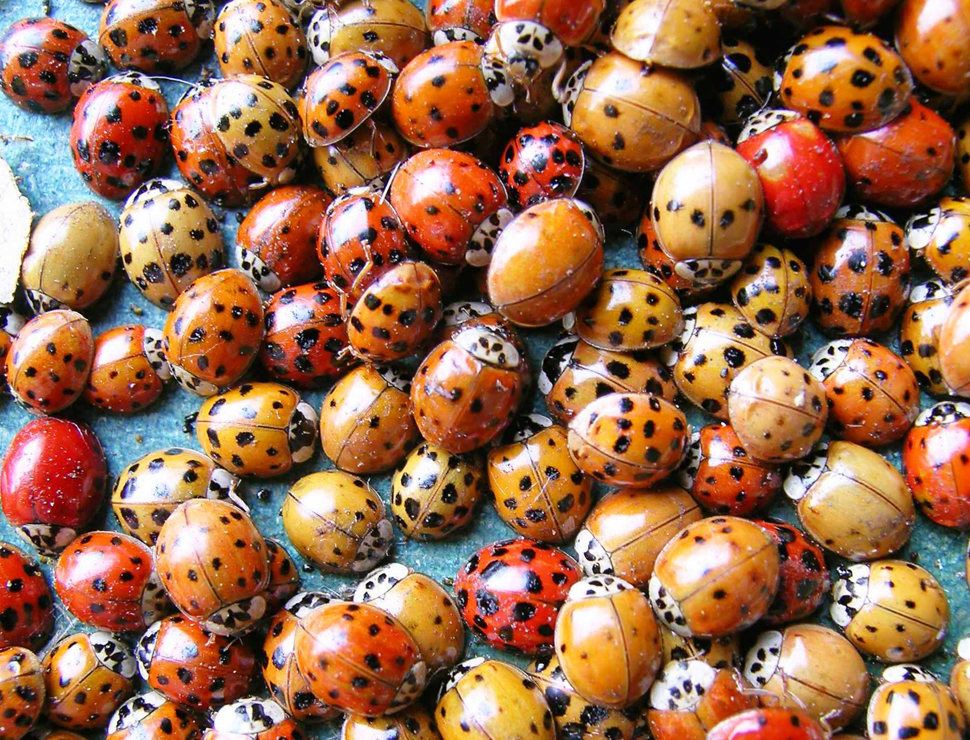
Scores of Asian beetles were discovered piling up in stairwells and common areas of many buildings at Wingate University in November, leaving many students feeling uncomfortable about their living space.
Clusters of these small insects were first spotted in Tucker Hall (formerly known as Northeast) before spreading to other dormitories and academic buildings such as the Ethel K. Smith Library. Students across campus had initially mistaken the beetles for ladybugs due to their similarities in appearance. The beetles gathered in large groups over doorways and window sills.
“I’ll sleep in my car if I have to,” said Emani Rouser-Grace, a freshman living in Tucker Hall when the infestation first began. “I don’t do bugs.”
Rouser-Grace was one of many students who initially complained about the issue. She was joined by a chorus of Wingate classmates on the anonymous social-networking app YikYak, which became a hot source for opinions on the beetle infestation. Students were posting pictures of the beetle clusters and shared their concerns online. Some students began reporting the beetles entering their spaces and spotting the bugs crawling through light fixtures or vents.
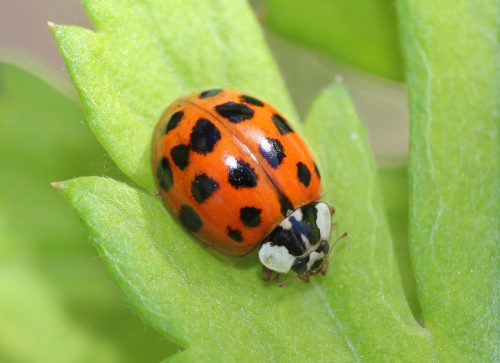
Asian beetles are typically found clustered in dark corners, near spaces close to an outside area. They have tendencies to fly down on students walking by, sticking to their bags and clothes, allowing them to enter a resident’s living space.
Tucker Hall resident Josh Ayscue discovered more than a small insect in his room.
“I found a small salamander too,” Ayscue said. “It got under my door and I tried to catch it and take it outside. I guess there’s stuff all over the building today.”
As the infestations got worse, more students began submitting maintenance requests and sending complaints to Wingate’s Residence Life staff. The requests soon got the attention of the campus maintenance staff, who were able to locate almost every infestation due to these numerous requests. The staff quickly realized the depth of the issue and got to work quickly.
Tucker Hall Residence Director Seth Griffiths said the consistent challenge to completely rid the building of the beetles was likely due to residents not always maintaining ideal cleanliness in their rooms.
“Honestly, it’s probably worse because some of the residents aren’t keeping their spaces clean as much as they should,” Griffiths said.
On Nov. 12, Campus Services sent out a campus-wide email addressing the beetle infestation, acknowledging these reports. The email confirmed that maintenance workers had visited campus the previous day and took care of the large groups of insects clustered in corners of doors and windows.
“We have received several maintenance requests regarding [the] bugs across campus,” the email said. “If you have placed a request, our contracted exterminator was on campus yesterday addressing those spaces.”
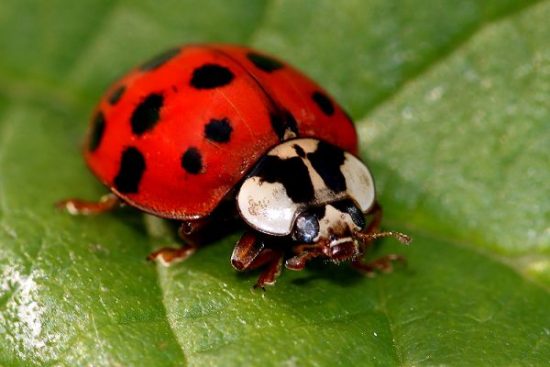
Although the beetles were frequently mistaken for ladybugs, the most common feature that distinguishes the two is the head shape and slight difference in color. Asian Beetles usually have a black “M” or “W” shape on their heads. They also release a strong-smelling liquid when killed, sometimes leaving the walls and clothing materials stained.
Although Campus Services treated most of campus, students were still reporting sightings of small clusters as November wore on.
“Please understand that even once your space has been treated, the bugs will have to ‘pass through’ the treated area to be effective,” the email said.
Campus Services also advised students to take care of their own spaces to help prevent the infestation, recommending residents vacuum and sweep their spaces regularly and clean their surfaces with dish soap and water. It was also recommended that using essential oils such as citrus or peppermint can deter the beetles.
After the campus-wide treatment, the clusters in the academic buildings and residence halls began to disappear. Doorways and railings leading to outside that were once covered in large clusters were clear. Students no longer had to worry about walking directly under a nest of insects.
Although students still report seeing occasional beetles crawling on the walls near the ceiling in residential halls, the numbers have decreased significantly and there’s hope that the colder conditions of December will keep the insects from gathering inside again.
 Wingate Triangle