
By JAVON MOSS
Triangle Contributor
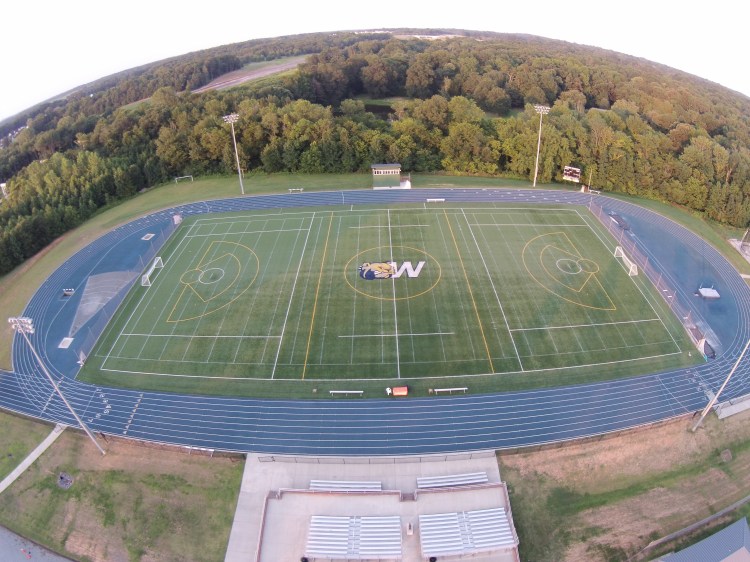
At Wingate University, student‑athletes juggle far more than practices, competitions and early‑morning workouts. Behind the scenes, many navigate the invisible pressures of performance, academics and personal expectations.
For Meco Daniels, a freshman sprinter and jumper for Wingate’s track and field team, maintaining mental health has become just as important as perfecting his form on the track. Daniels describes the mental side of athletics as “the part nobody sees, but the part that decides everything.”
While physical training shapes his speed and strength, the Criminal Justice major from Charlotte believes his mindset ultimately determines how he performs when it matters most.

“Track is a mental game,” Daniels explained. “You can be physically ready, but if your head isn’t right, the race is already lost.”
His approach reflects a growing awareness among student‑athletes nationwide: Mental health is not separate from performance—it’s central to it.
At Wingate, the demands placed on student‑athletes can be intense. Balancing full course loads, travel schedules and the pressure to perform often leaves little room for rest. Daniels admits that early in his college career, he struggled with the weight of expectations. He came to Wingate after a highly successful prep career in Charlotte at Garinger High School, winning a state championship in the 100 meters last year in a school-record-setting time of 11.55 seconds.
“I used to think I had to be perfect every meet,” he said. “If I didn’t hit a certain time or distance, I felt like I failed.”
Over time, he learned that this mindset was unsustainable. With support from coaches, teammates and campus mental‑health resources, Daniels began developing strategies to protect his well‑being. One of his most important tools is “mental-reset” moments where he steps away from the sport to breathe, reflect and decompress.
“I give myself space now,” he said. “If I’m overwhelmed, I take a walk, listen to music or just sit with my thoughts. It helps me come back sharper.”
Daniels also practices visualization before meets, mentally rehearsing his race to build confidence and calm nerves.
Wingate has made efforts to support athletes like Daniels by expanding counseling services and encouraging open conversations about mental health. Coaches increasingly emphasize communication and balance, recognizing that burnout can derail even the most talented athletes.
Still, Daniels believes there is more work to be done.
“A lot of athletes feel like they have to hide what they’re going through,” he said. “We need to normalize talking about mental health the same way we talk about injuries.”
For Daniels, embracing mental wellness has transformed not only his performance but his overall college experience. He now approaches track with a healthier mindset that’s focused on growth rather than perfection.
“I remind myself why I started,” he said. “I love the sport. When I take care of my mind, everything else falls into place.”
 Wingate Triangle